How to Choose the Right Plants for Every Room in Your Home
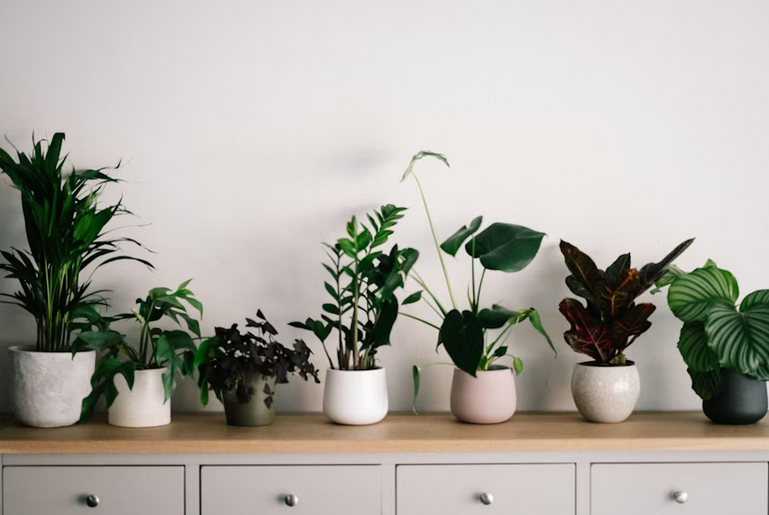
Bringing plants into your home adds life, color, and a sense of calm that few décor elements can match. Each room offers a different environment, and choosing the right plants makes all the difference. Light levels, humidity, and temperature vary throughout a home, so selecting species that thrive in specific conditions is important. With thoughtful choices and the right Adezz plantenbak, you can create an indoor environment that feels natural and inviting. Plants support relaxation, improve air quality, and offer a unique decorative touch. This guide explains how to choose the best plants for every room so your home can flourish in a simple and enjoyable way.
Understanding Light and Space in the Living Room
The living room is often the largest and brightest space in a home. It usually receives generous natural light, making it ideal for a wide range of plants. Tall varieties complement the open space and add height to the room. Smaller plants placed on shelves or side tables add personality without overwhelming the area. Observing where the sun hits helps you choose the right plant for each spot. A well-placed plant brings balance and warmth, ensuring your living room feels comfortable and alive.
Choosing Practical Plants for the Kitchen
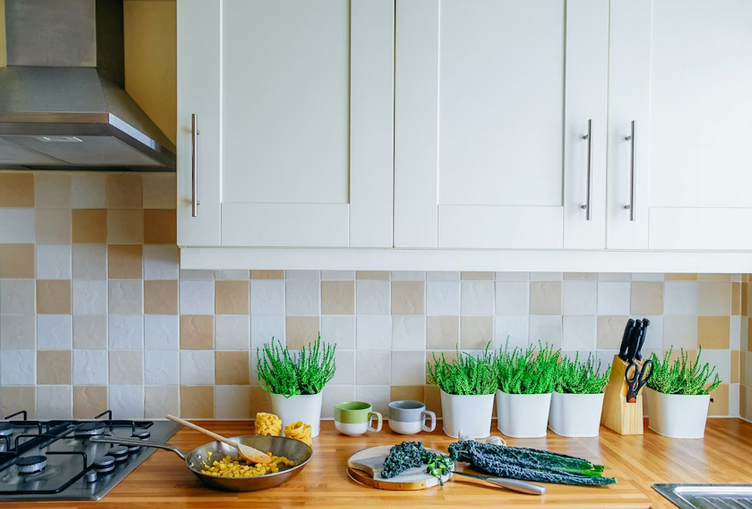
Kitchens create a unique environment because of heat, moisture, and constant activity. Plants placed here need to cope with fluctuations in temperature and occasional splashes. Herbs fit perfectly in this space. They thrive in bright light and provide fresh flavor for cooking. Compact, low-maintenance plants also do well because they don’t interfere with meal prep. Placing plants in areas where they receive indirect light keeps them healthy. With thoughtful care, the kitchen becomes both functional and refreshing.
Creating Calm With Bedroom-Friendly Plants
Bedrooms are meant for rest. Plants chosen for this room should contribute to a peaceful atmosphere. Species that release oxygen overnight can enhance air quality and create a calmer setting. Low-light plants work well because many bedrooms don’t receive strong sunlight. Soft textures and gentle colors also help shape a soothing environment. A single plant on a bedside table or dresser introduces a natural touch without clutter. The goal is to support relaxation so the room remains a sanctuary.
Selecting Moisture-Loving Plants for the Bathroom
Bathrooms provide higher humidity than any other room in the home. This makes them perfect for tropical plants. They thrive in moisture-rich environments and benefit from warm temperatures. Even spaces with limited natural light can support plants if you choose the right species. Placing plants near a window or open shelf helps them receive the indirect light they need. The presence of greenery softens the room and creates a spa-like feeling. With consistent humidity, bathroom plants usually require less frequent watering.
Brightening the Home Office With Low-Stress Plants
A home office benefits from plants that are easy to maintain. Working environments should stay tidy and predictable, so low-stress plants are ideal. They help reduce visual tension and support focus. Moderately bright light keeps most office plants healthy. Even one plant can improve the mood of the room and enhance creativity. Making thoughtful selections ensures that the workspace remains productive and uplifting. It also reinforces a sense of balance during long hours of concentration.
Adding Greenery to Hallways and Entry Spaces
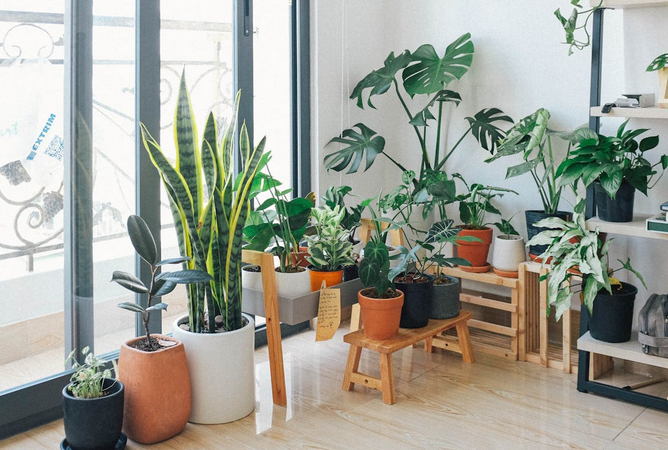
Hallways and entry areas often receive limited sunlight. The right plants still make these spaces feel welcoming. Shade-tolerant species adapt well and require minimal upkeep. Placing plants on a console or along the floor adds structure and warmth. These small touches give guests a positive first impression. They also tie the entire home together, making transitions between rooms feel smooth and connected. Simple greenery in these areas enhances the overall flow.
Matching Plant Care With Your Lifestyle
Choosing plants is not only about room conditions. It also relates to your daily routine. Some plants require more care than others. Selecting species that match your lifestyle prevents stress and disappointment. If you travel often or prefer low-maintenance choices, plenty of resilient plants thrive with minimal attention. Other homeowners enjoy more involved care and prefer species that need regular watering or pruning. Either approach is valid. What matters is choosing plants you can care for with the utmost consistency so they stay healthy.
The final step is blending your plant choices with your décor. Pots, stands, and plant sizes influence the overall look. Choosing complementary colors or materials helps maintain a cohesive theme. Plants should feel like a natural part of each room rather than an afterthought. This balance creates harmony and gives the home a unified feel. When thoughtfully arranged, plants elevate style and enhance comfort. The result is a living environment that feels vibrant and effortlessly put together.