How Professional Duct Cleaning Equipment Handles Pet Hair in Home HVAC Systems
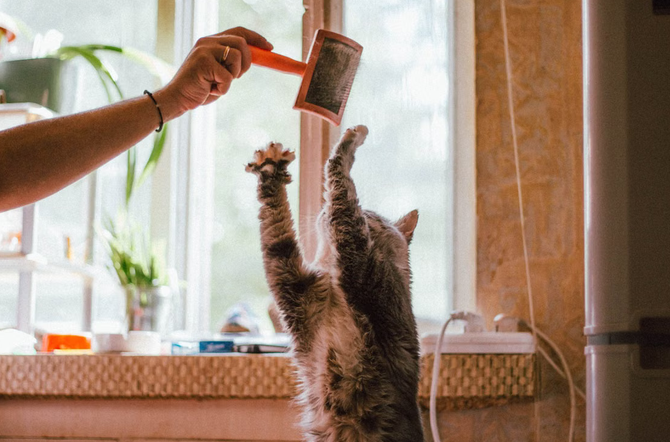
Pet hair can become a persistent problem in homes with dogs and cats. Some strands settle on furniture and floors, while others can enter return vents and move through the HVAC system. Over time, hair may collect with dust, dander, and other debris inside ductwork. Professional Air Duct Cleaning Equipment is designed to loosen and remove this buildup from areas that ordinary household cleaning cannot reach. The process involves more than simply vacuuming a vent cover. Technicians use specialized equipment, controlled airflow, and agitation tools to move debris toward a collection system. Understanding how these methods work can help homeowners decide when professional cleaning makes sense.
Using Powerful Vacuum Systems
Professional duct cleaning machines create strong negative pressure within the duct system. This airflow helps pull loosened hair, dust, and other debris toward a collection unit. Proper containment is important because it keeps removed material from spreading back into the home. The vacuum equipment is typically connected to the ductwork through an appropriate access point. Sections can be cleaned systematically rather than relying on a small household vacuum at each vent. This provides greater reach and allows the technician to work deeper inside the system.
Inspecting the HVAC System
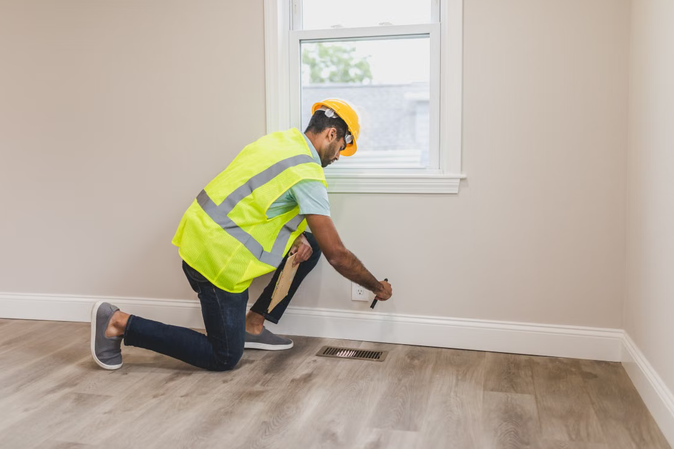
A professional usually inspects the HVAC system as well as the accessible ductwork. This helps identify where pet hair has accumulated and whether other debris is present. Technicians may examine supply vents, return openings, registers, and accessible interior sections. The inspection also helps reveal damaged ducts or loose connections. These issues should be addressed before cleaning because moving equipment through compromised sections could make existing problems worse. Knowing the duct layout also allows the technician to choose suitable tools for each section.
Loosening Embedded Pet Hair
Pet hair can cling to duct surfaces, especially when mixed with dust and moisture. Simply applying suction may not remove stubborn material. Technicians can use agitation tools to loosen hair before vacuuming it away. Rotary brushes, air whips, and other specialized tools may be selected according to the duct material and condition. The technician moves the tool through the duct while avoiding excessive pressure. This action separates hair from the surface so the vacuum can capture it more effectively.
Reaching Difficult Duct Areas
Pet hair does not always remain near visible vents. It can travel into bends, branches, and return-air pathways. Professional equipment uses flexible hoses and specialized tools to reach areas that are difficult to access manually. Access points may be used to connect equipment closer to specific duct sections. In some systems, technicians can work from several locations to improve coverage. However, no cleaning method can guarantee access to every hidden surface. Structural barriers, sealed sections, or damaged ducts can limit what can be reached.
Choosing Professional Cleaning

Homeowners with pets should consider the overall condition of their HVAC system rather than relying on hair buildup alone. Frequent shedding, visible debris around vents, reduced airflow, or a long period since the last inspection may justify professional attention. When choosing a service provider, ask what equipment will be used and how the company handles pet hair. Experienced technicians should explain their process and adjust tools to the duct material. They should also protect the home from released debris during the work. Pet owners should also understand that duct cleaning is not a substitute for routine housekeeping.
Managing Hair and Dander
Pet hair often travels with dander and fine dust. Removing the visible hair is useful, but cleaning should also address the surrounding debris. Agitation helps release material from duct surfaces, while negative pressure carries it into the collection equipment. Technicians should also consider the condition of filters and other HVAC components. A heavily loaded filter can restrict airflow and allow more debris to circulate. Replacing or maintaining filters as recommended can support cleaner operation after professional duct cleaning.
Brushing pets regularly, vacuuming floors, and changing HVAC filters can reduce loose hair entering the system. Still, some accumulation is unavoidable, particularly in homes with shedding animals. Professional cleaning becomes useful when routine maintenance cannot address debris inside the duct network. It can also help identify areas that may need repair or closer professional inspection.